|
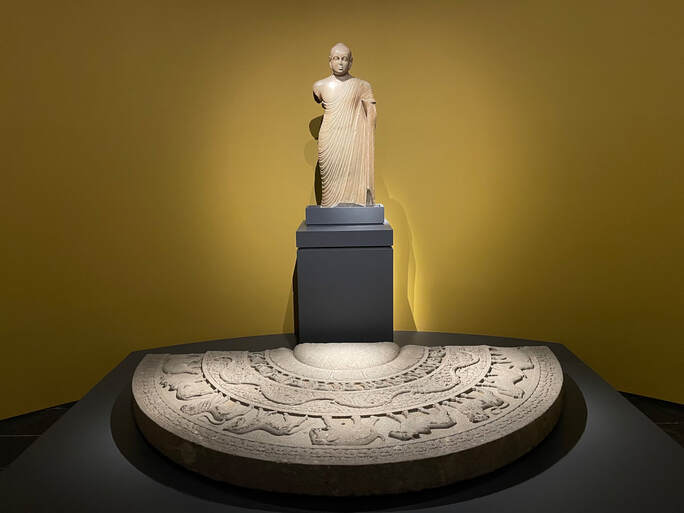
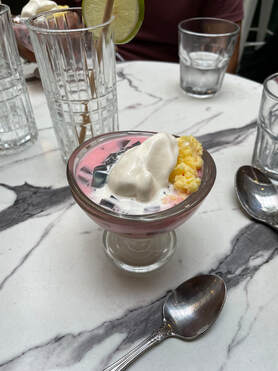
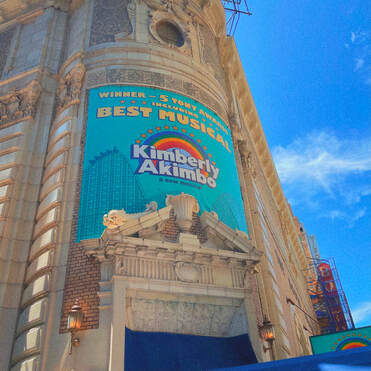
Hi folks! It's been a while since I've done one of these, but last weekend was very exciting and I wanted to share what I've been up to. I got back from New York yesterday, where I saw Kimberly Akimbo on Broadway (beautiful, made me cry, worth a visit) and then spent a lot of time walking around and enjoying the nice weather. We went to the Met (a museum whose principles I despise but whose collections are incredible) to see the new exhibit on Buddhist art in India. I also spent much of Sunday wandering around outside and finally accomplished my goal of seeing 100 dogs in one day! Miraculously, it was exactly 100, with the last one spotted on the way back from a late night ice cream run. No stalker photos were taken, but I enjoyed myself greatly.
0 Comments
Thank you to Wednesday Books for sharing a copy in exchange for my honest review.
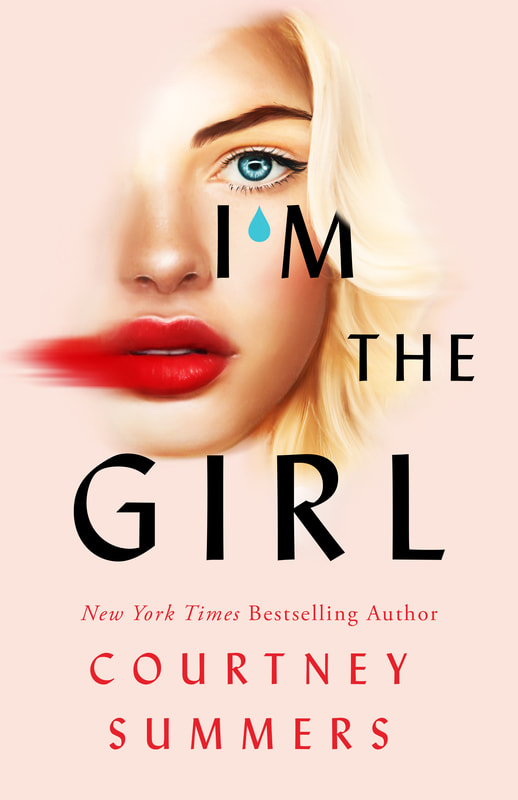
When sixteen-year-old Georgia Avis discovers the dead body of thirteen-year-old Ashley James, she teams up with Ashley's older sister, Nora, to find and bring the killer to justice before he strikes again. But their investigation throws Georgia into a world of unimaginable privilege and wealth, without conscience or consequence, and as Ashley’s killer closes in, Georgia will discover when money, power and beauty rule, it might not be a matter of who is guilty—but who is guiltiest. A spiritual successor to the 2018 breakout hit, Sadie, I'm the Girl is a masterfully written, bold, and unflinching account of how one young woman feels in her body as she struggles to navigate a deadly and predatory power structure while asking readers one question: if this is the way the world is, do you accept it? A sapphic mystery/thriller from Courtney Summers about a small-town girl who is determined to make something of herself and also solve a murder along the way? Sign me up! A lengthy, ill-paced, abstract exploration of this girl’s pure vanity and ignorance? No thanks! After Sadie, I had much higher expectations for this book. Unfortunately, I was let down in a few ways. My issue is that much like the synopsis, the book fails to accurately describe what is happening to Georgia in a way that makes sense. It makes you feel like you should have understood what was happening from the get-go, which would be fine except for the fact that much of the novel hinges on that understanding of Georgia’s circumstances. She repeatedly gets involved in things that are much larger than her and makes them about her vanity and ego in ways that only a 16 year old girl could. For the titular character of a mystery novel, who is purportedly solving a murder, she’s more invested in her own sense of destiny and genuinely believes that her beauty will reap rewards against all advice from other characters. On one hand, I can admit that this is brilliant writing. Summers hooks readers into a full picture of Georgia’s manipulation by the powerful adults around her, including some truly brutal representations of sexual assault (CW for readers). Her prose is sharp and evocative, if a little vague. On the other hand, it was difficult to empathize with Georgia and stay invested in the story when she always seems so obsessed with herself. Her entire character comes across as ignorant of her situation, which is baffling since all the aspects are so obvious. The pacing is also off, especially in the last quarter of the book. Wrapping up the mystery in a winding and convoluted manner and having Georgia “realize” a number of things that readers could see right from the start in very little time doesn’t make for a smooth ride. I’m going to get into minor spoiler territory here to share some things that I just found truly bizarre:
Because of all this, I’m having a hard time truly recommending I’m the Girl to readers. I think if you’re going through Summers’ catalog, Sadie is more worth the hype. 3/5 stars.
Thank you to Wednesday Books for sharing a copy in exchange for my honest review.
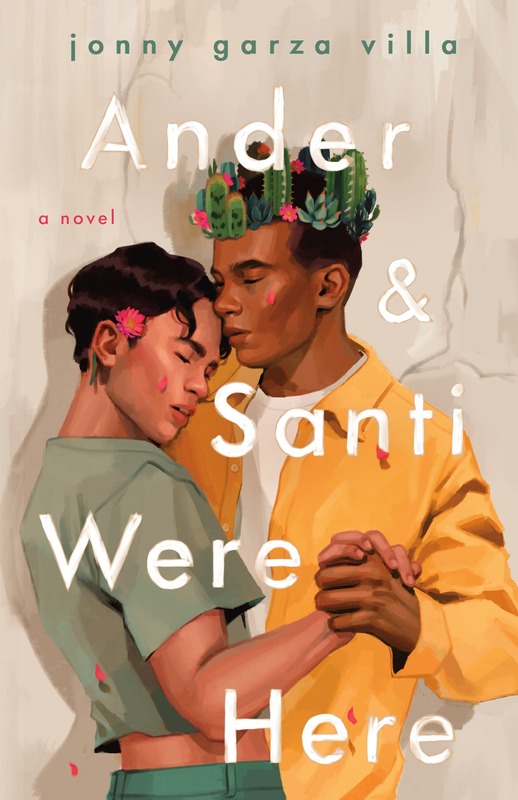
The Santos Vista neighborhood of San Antonio, Texas, is all Ander Martínez has ever known. The smell of pan dulce. The mixture of Spanish and English filling the streets. And, especially their job at their family's taquería. It's the place that has inspired Ander as a muralist, and, as they get ready to leave for art school, it's all of these things that give them hesitancy. That give them the thought, are they ready to leave it all behind? To keep Ander from becoming complacent during their gap year, their family "fires" them so they can transition from restaurant life to focusing on their murals and prepare for college. That is, until they meet Santiago López Alvarado, the hot new waiter. Falling for each other becomes as natural as breathing. Through Santi's eyes, Ander starts to understand who they are and want to be as an artist, and Ander becomes Santi's first steps toward making Santos Vista and the United States feel like home. Until ICE agents come for Santi, and Ander realizes how fragile that sense of home is. How love can only hold on so long when the whole world is against them. And when, eventually, the world starts to win. Ander and Santi Were Here is a queer love story set against a backdrop of modern immigration policies that separate loved ones and force families to gamble on uncertain futures. This is one of the most heartbreaking books I’ve read recently, but there is still a light and fluffy feel to the romance aspects. Jonny Garza Villa is adept at transitioning between the sweet romance plotline and the heavier aspects of the story about Santi’s reality as an undocumented person. They know how to turn a story that might be a difficult read into something that feels impossible to put down. I was so invested in characters that I spent the entire afternoon reading. Ander’s family features prominently in the story, as well as their larger community. They work at their family’s restaurant, which is a community staple owned by their tita. The love shared between them and their family came through so well in the story, and I loved that they had such a large role in determining how Ander felt about their future and figuring out who they are as an artist and person. Santiago, or Santi as he is known in the story, is reticent to get to know Ander at the beginning of the story because it would mean opening up about his undocumented status. However, the friendship and new love between the two becomes too powerful to ignore, and it is amazing to watch Santi trust Ander more and start to feel at home around them and their community. The two have such a lovely relationship that left me wanting more even after the book ended. I haven’t read anything else by Villa, but I would be so pleased if they were the type of author who features prior main characters in cameos in future novels. My favorite aspect of the book was Ander’s skill as a muralist. The way they translate their feelings about family, love, their culture, and San Antonio into art that gets displayed in their community is so powerful. I wish the book had come with full color illustrations! I loved how their art was described, and the way it brought joy to their family and friends was so adorable. This beautifully written story earns 5/5 stars from me.
Thank you to Quill Tree Books for sharing a copy in exchange for my honest review.
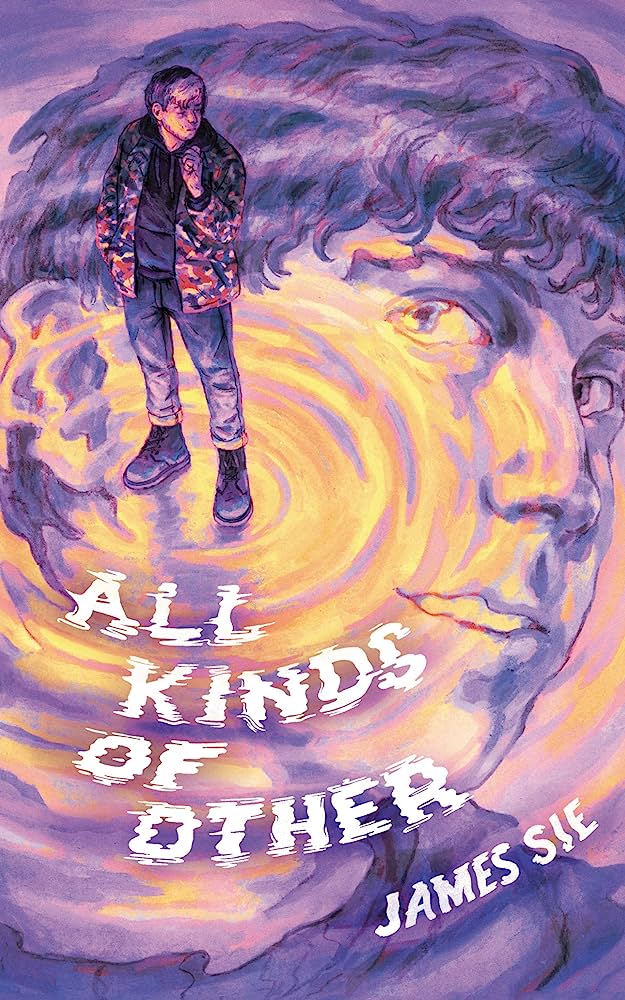
In this tender, nuanced coming-of-age love story, two boys—one who is cis and one who is trans—have been guarding their hearts to protect themselves, until their feelings for each other give them a reason to stand up to their fears. Two boys are starting at a new school. Jules is just figuring out what it means to be gay and hasn’t totally decided whether he wants to be out at his new school. His parents and friends have all kinds of opinions, but for his part, Jules just wants to make the basketball team and keep his head down. Jack is trying to start over after a best friend break-up. He followed his actor father clear across the country to LA, but he’s also totally ready to leave his past behind. Maybe this new school where no one knows him is exactly what he needs. When the two boys meet, the sparks are undeniable. But then a video surfaces linking Jack to a pair of popular transgender vloggers, and the revelations about Jack’s past thrust both Jack and Jules into the spotlight they’ve been trying to avoid. Suddenly both boys have a choice to make—between lying low where it’s easier or following their hearts. Honestly, I have mixed opinions about this book. On one hand, It’s a sweet coming-of-age story about two boys falling in love while figuring out what queerness means to them. On the other hand, the prose didn’t quite sell it for me. A few scenes felt more like telling than showing, and a lot of the backstory was told through blog posts that I felt could have come together more clearly to share that part of the narrative in a more efficient way. The thing I enjoyed most about this novel is the clear role of the parents in these characters’ lives. The contrast between having supportive parents and absent or openly homophobic & transphobic parents makes for such a difference in a queer teen’s life. There are a variety of parenting styles exhibited in this novel—Jules has a controlling mom and absent dad, whereas Jack has a very supportive set mom and a dad who is mildly selfish but ultimately trying his best. The impact of each of these relationships on the teens is felt throughout the story. I think it’s extremely important for queer readers to possibly see their lived experiences echoed this way, and for straight readers to understand the ways that queer people’s lives are impacted by their family relationships. I'm giving All Kinds of Other 4/5 stars. One small note: I don’t like it when readers dictate who is allowed to tell what stories, especially when it comes to queer YA. Authors are not obligated to reveal their personal identities and experiences in order to write, however I feel that it is important for me to note that this story has not been labeled by the publisher as an own-voices story in that the author is gay but not trans. If reading stories by out trans authors is important for you, here are several as a start: The (Un)popular Vote by Jasper Sanchez, Cemetery Boys by Aiden Thomas, Stay Gold by Tobly McSmith, Felix Ever After by Kacen Callender.
Thank you to Wednesday Books for sharing a copy in exchange for my honest review.
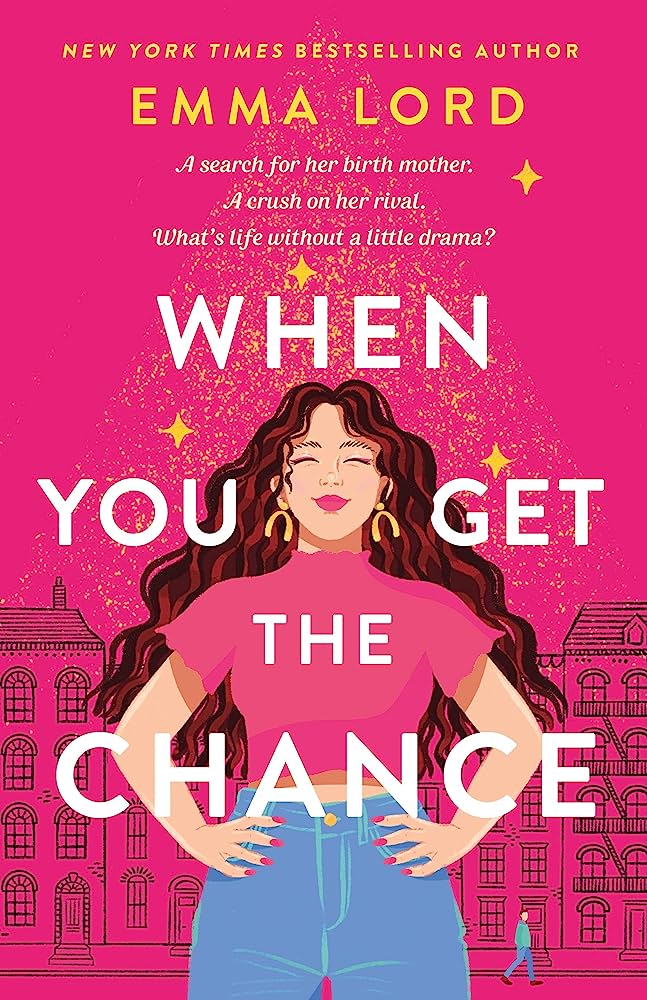
Nothing will get in the way of Millie Price’s dream of becoming a Broadway star. Not her lovable but super introverted dad, who raised Millie alone since she was a baby. Not her drama club rival, Oliver, who is the very definition of Simmering Romantic Tension. And not her “Millie Moods,” the feelings of intense emotion that threaten to overwhelm. Millie needs an ally. And when an accidentally left-open browser brings Millie to her dad’s embarrassingly moody LiveJournal from 2003, Millie knows just what to do—find her mom. But how can you find a new part of your life and expect it to fit into your old one without leaving any marks? And why is it that when you go looking for the past, it somehow keeps bringing you back to what you’ve had all along? Chockfull of musical theatre references, pep, and found family, When You Get the Chance by Emma Lord is absolutely delightful. I maintain that she is the queen of the modern rom-com novel, and this new installment does not disappoint. Lord takes on a Mamma Mia (or Millie Mia!) retelling in this new story featuring a young actress looking to dig up the past and find her mom in the hopes of clarifying the best path forward for her future. The only thing Millie has are a handful of names from her dad’s LiveJournal and the knowledge that her mom is just as interested in theatre as she is. I loved this plotline because it showcases all of the women in Millie’s life, and how they add to her understanding of what it means to love musical theatre. This story is about finding blood family, but it’s also about discovering new friendships and staying open-minded. Millie is very set in her ways and firm about the path she would like to take, so watching her form new bonds with the women she’s “mom-testing” is extremely heartwarming to say the least. For the romance lovers, as the blurb hints, there is an enemies-to-lovers slow burn relationship developing between Millie and Oliver, her stage manager and new coworker. They challenge each other, collaborate—knowingly and unknowingly—and argue. Lord’s banter is some of my favorite dialogue in today’s YA scene. She keeps it witty and fresh, but there’s always a sweet backstory to provide substance under all of the fluff. I won’t share too much about the sub-plots, since I think they’re best discovered on their own, but this book managed to perfectly balance interesting character developments for both main and side characters the whole way through. I am usually a main character girlie, but I found myself invested in the stories about Teddy (Millie’s best friend), Cooper (her dad), and Heather (her aunt). The whole novel keeps the pace spinning and the plot never dragged, which pleased me. I adored this novel, as I do with everything Emma Lord writes, so it’ll be no surprise that When You Get the Chance earned 5/5 stars from me! As I'm sure you're all aware, I haven't had a working newsletter in years. I prefer to just write here, but recently I've had a few conversations about continuity and the difficulties of following a website that doesn't have a subscription feature. Fair enough, point taken.
I've started a Substack to remedy these issues. You can find the link here: thebaronessofbooks.substack.com and I encourage you to sign up. It's completely free, and what you will receive is a monthly roundup of posts I've written here, delivered directly to your inbox. There will also be exclusive content for newsletter subscribers, and prioritized access to my inbox. The sign-up link is above, and I will be enabling a web pop-up soon to alert new readers to this feature. Thanks for rolling with the punches, I appreciate your patience while I take care of some behind-the-scenes upgrades. 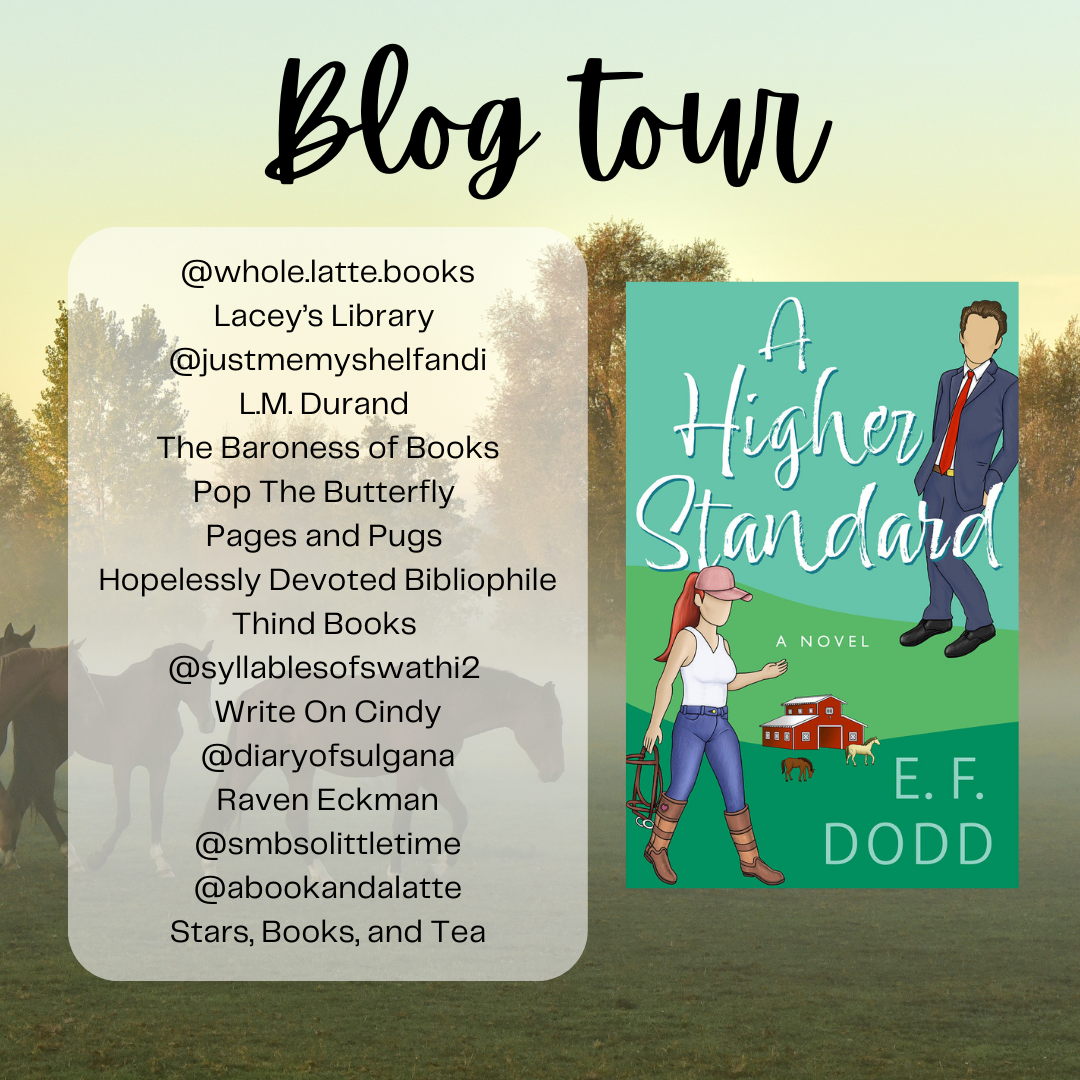 Hi all! I'm back today with a feature post on a blog tour for A Higher Standard by E.F. Dodd. Thank you to Smith Publicity for sending me a copy of the book and organizing the tour. As a bona fide horse girl, I am so excited to read this one. It's out already today, so run to Sugar Beaver Books to grab your copy!
Summary: Staunchly independent horsewoman Everest has her heart set on expanding the reach of her equine rescue, Second Chance Farms. But when Boston real estate developer Gideon West rolls in from the big city, hoping to buy the land next door, Everest’s plans, and a good portion of her life, are turned upside down. In E.F. Dodd’s steamy new contemporary romance, A Higher Standard, Everest and Gideon stand at odds at first, but their intense feelings for each other soon morph into a different type of heat. Much to Everest’s dismay, Gideon is welcomed by almost everyone in her hometown of Mimosa, North Carolina. But Everest doesn’t trust his silver tongue or the promises it makes, and she’s determined to protect her town – and the rescue – from his plans. Everest Kennedy is a gigantic, yet gorgeous, thorn in Gideon’s side. She doesn’t trust him, or his intentions for Mimosa and isn’t shy about letting him – or anyone else – know it. To win the day, he’s got to woo her over to his side. Except . . . the more time he spends with Everest, it becomes less about winning the day and more about wooing the girl. Can Gideon have Everest and his development, or will one cost him the other? A Higher Standard is perfect for fans of Sally Thorne, Sophie Kinsella, and Emily Henry. Filled with witty banter, realistic conflict, and a true-to-themselves heroine, this spicy romance will leave you desperate for more! It’s May, so it’s officially the season of college final exams. I’m preparing for my own while also thinking about packing and moving back home for the summer. I have two exams, one in biochemistry and the other in physics… and can I just say that their scheduling has me more than a bit frustrated. I’ve got my biochem exam on Saturday night (!!) and my physics exam on Sunday morning, with less than 12 hours between them. It’s definitely going to be a long weekend. My other task is a French paper which isn’t due until next week. So now that we’ve gotten a handle on what I’m facing for the week, let’s get into how I spend my time!
This morning, I woke up early for a 9am meeting with my organic chemistry lab group. Our last task of the semester was to organize our lab and clean up from our experiments over the course of the semester. Never too late for spring cleaning! I function as a project manager for the group on occasion, as per my background, so I was in charge of setting our tasks for the day. We started out by doing dishes! The dreaded task of an organic lab is washing up all of our glassware and disposing of vials that don’t need to be kept any longer. We accumulated a lot of small samples over the past few months, and it was sad to throw out some of the results of our work, but when we come back next year we’ll have a fresh, clean workspace to look forward to. We did keep samples of our final synthesized products, so those will live in our fridge over the summer. Next, we returned some equipment which had been generously loaned to us from other labs in the department while our own has not yet arrived. As a new lab (I am part of an inaugural group of students under our professor who has newly arrived this year) we are so grateful for the collaborative atmosphere that allows us to perform experiments while we’re still not completely set up. Thanks to other professors and staff in the department, we were kept well stocked. Various other cleaning tasks took up the majority of the morning, but I’m glad that we could leave the space clean for the summer, and I’m excited to be back next year! Next, I grabbed a brief lunch. Today our dining hall had a beach carnival special for the end of semester, so I walked out with a cup of funnel fries and fried pickles. It’s been so long since I’ve had fairground foods, and this lunch definitely has me longing for summer. I can’t wait to be out in the sun again. I spent the afternoon studying for my biochem exam and drafting my French paper. For biochem: We’re provided with problem sets on each topic for homework, so I worked on several of those and reviewed readings in my textbook. For French: I had previously chosen an essay topic and I sat and thought about it for days before deciding today that another topic would better suit me. I’m a passion writer, so I feel stuck until I’ve hit upon a thesis topic that truly speaks to me. I’ve loved the previous essays I’ve written for this class, so I feel some pressure to live up to those standards and truly engage with the material in this final work. Thankfully, I think I switched gears in time and I can pull out something great before the deadline. Working under this kind of extreme pressure always amps me up, sometimes for the worse. I struggle to find time to take care of everything on my to-do list, and procrastination is my eternal enemy. I’ve been making a lot of to-do lists to combat this, as well as acknowledging that sometimes it’s okay if I don’t accomplish every single goal I’ve set out for myself. I’m definitely excited for finals week to be over since I have some fun plans for the summer, but it will be sad to leave my friends. I’m still processing much of what’s happened this semester and the end of this academic year has been a long time coming, so I’m optimistic about my summer plans and can’t wait to bring you all along for the ride. Hi all! Been a while since I've last updated--some life news quickly, then onto the library books I've been enjoying!
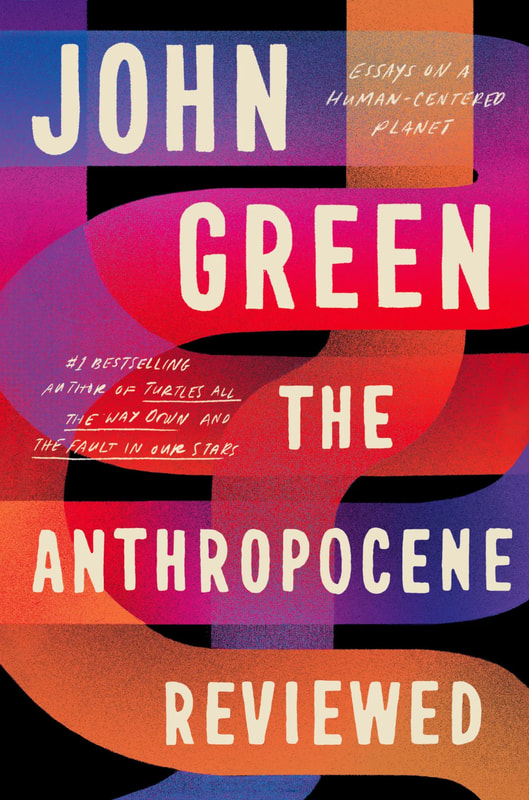
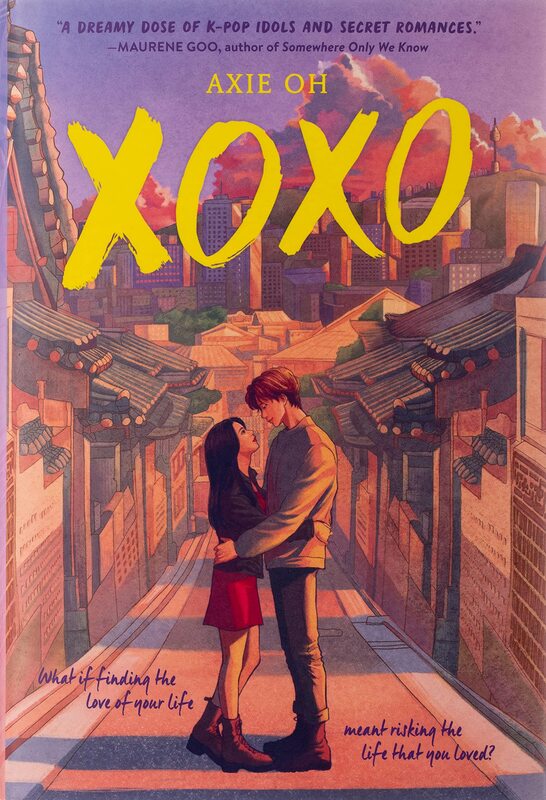
I joined a lab and I'm performing organic chemistry research with my favorite professor. My current favorite class is a French literature class on the psychological novel of the 19th century. I am heading to New York for the weekend tomorrow, where I'll have a chance to work on a paper for that class, writing about the intersections of science, psychiatry, and faith as well as continue some sketches for a scenic design I am in the early phases of creating. Onto the books. I've been prioritizing my reading lately, which is exciting to me for a number of reasons. First, I feel like they're a tangible symbol of work-life balance which can be difficult to achieve in school. When I can point to a number of books I've read per month, that signifies a number of hours that I've dedicated to my own interests and happiness. Second, it means I get to come back and make fun posts like this one! So without further ado, here are the library books I've currently checked out (let's ignore my Libby/Overdrive situation for the moment!).
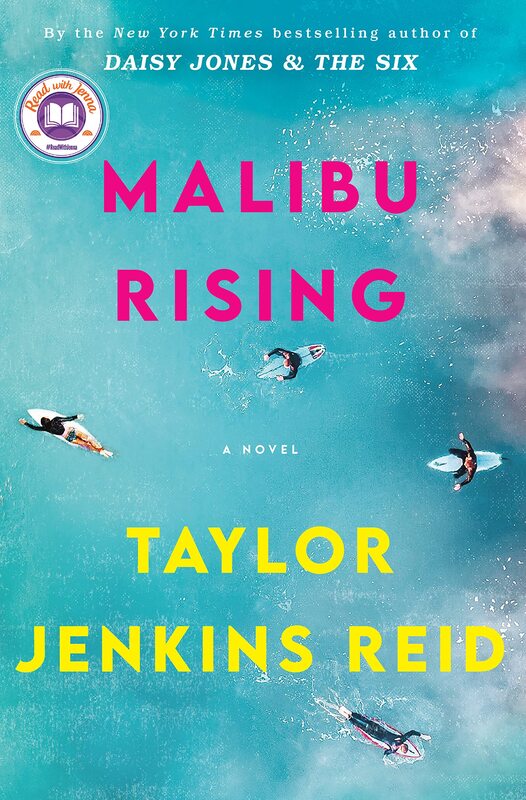
Instead of the typical "best books I read in 2022" I'd like to instead offer a snapshot of my reading life and share with you 22 books I read in the past year. I did enjoy all of these and would recommend you check them out at your local library or bookstore, but have no interest in ranking them, so I offer you a selection in chronological order.
|
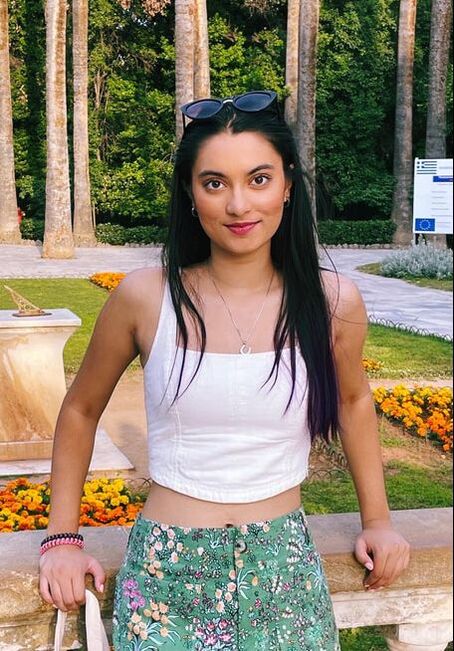
The BaronessHey, I'm Shreya! I love to read, write, travel, and drink tea. 

Disclosure: I am an affiliate of bookshop.org and I will earn a small commission if you click the above link and make a purchase.
Categories
All
Archives
June 2023
 |

 RSS Feed
